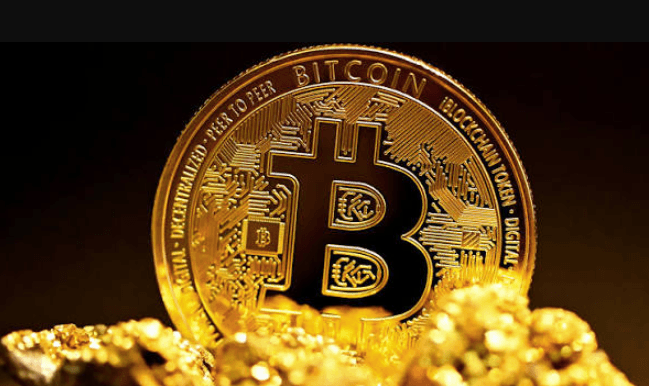
Bitcoin is a decentralized digital asset that enables peer-to-peer value transfer without intermediaries, underpinned by a permissionless ledger secured through cryptographic proofs and mining incentives. Its scarcity is verifiable and programmatic, with a predictable supply path that mitigates inflationary risk. Decentralized consensus provides verifiability and resilience, supporting auditable flows and disciplined capital allocation. The framework yields cross-border settlement, near-instant transfers, and transparent money—yet practical value hinges on sustained network activity and evolving use cases, inviting closer scrutiny.
What Is Bitcoin? A Clear Foundation
Bitcoin is a decentralized digital asset that enables peer-to-peer value transfer without intermediaries.
The foundation contrasts with security protocols, delivering verifiable scarcity and programmable settlement across open networks.
This architecture weighs privacy against regulation, balancing user autonomy with compliant oversight.
In market terms, transparent consensus and cryptographic guarantees support predictable, auditable flows, fostering informed risk assessment and disciplined capital allocation.
Why Bitcoin Is Valuable: Scarcity, Security, and Trust-Key Drivers Explained
Scarcity, security, and trust form the triad underpinning Bitcoin’s value proposition from a market-oriented, quantitatively minded perspective. Scarcity mechanics constrain supply against demand, creating price discovery incentives while reducing inflationary risk.
Security reinforces verifiability and resilience, sustaining liquidity and investor confidence.
Trust dynamics emerge from decentralized consensus, transparent rules, and predictable issuance, enabling voluntary participation and durable market depth within a freedom-seeking, investment-minded ecosystem.
How Bitcoin Works: From Transactions to the Blockchain
Transactions in Bitcoin are initiated by users who control unspent outputs and broadcast digitally signed messages to the network, where nodes validate them against protocol rules and the current UTXO set.
The system relies on cryptographic proofs, block formation, and incentive-aligned mining.
The result is a secure, permissionless ledger built by blockchain incentives within robust peer to peer networks.
Real-World Value: Bitcoin Use Cases and Why They Matter
Real-world value emerges from Bitcoin’s ability to function as a programmable monetary layer that operates across borders with verifiable scarcity, predictable supply growth, and near-zero settlement latency for global participants.
This framework informs real world value and highlights use cases where permissionless transfers, borderless settlements, and transparent programmable money enable market efficiency, risk management, and freedom-oriented financial inclusion without centralized intermediaries.
Conclusion
Bitcoin, as a programmable scarcity asset, aligns incentives for network security with predictable supply growth and verifiable ledger integrity. Its value stems from decentralized verification, permissionless accessibility, and cross-border settlement efficiency, yielding a market-driven price discovery process. As institutions allocate capital, Bitcoin functions like a digital reserve asset in a complex portfolio, influencing liquidity and risk premia. In this environment, adoption accelerates alongside scalability and interoperability improvements, shaping a resilient, perimeterless financial architecture—like a lighthouse guiding capital through volatile seas.
